Chapter Four
Five ideas to carry with you
{{pg.lead}}
{{pg.bold}}
{{pg.big}}
— {{pg.sign}}
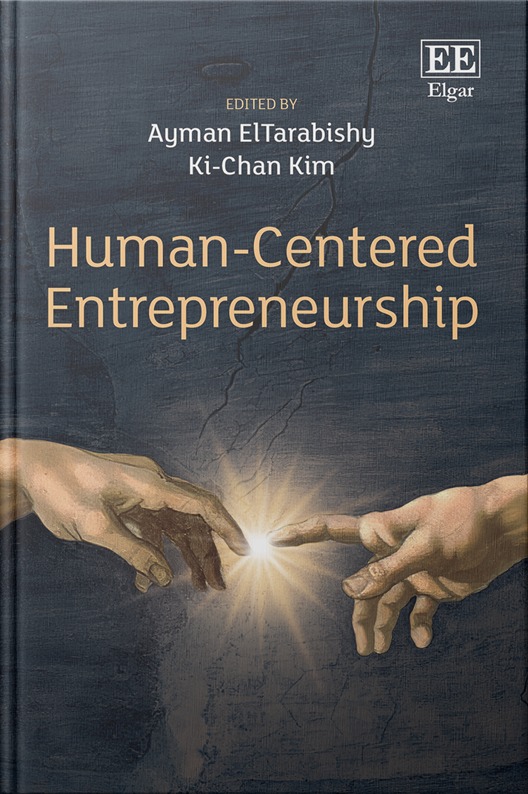
Human-Centered Entrepreneurship
ElTarabishy & Kim · Edward Elgar
Chapter 4
Rico Baldegger, Christophe Schmitt, and Zoran Bjelic
What this chapter is about
Profit or purpose was never the real choice. Keeping them apart was the mistake.
About
70%
of global industrial pollution comes from small and medium-sized enterprises.
The same firms are the backbone of many economies, through innovation and jobs. They are part of the problem and an essential part of the solution.
If you run a small firm and sustainability feels like a cost you cannot afford.
You’ll see why the evidence points the other way.
If a sustainability report is heading your way from a customer or regulator.
You’ll see how the EU’s new rules line up with the Three E’s.
If you fund, advise, or teach small businesses.
You’ll get findings from 167 SMEs, and their honest limits.
If you suspect doing good and doing well were never opposites.
You’ll get the argument in plain terms.
From the book · the opening pages
The worth of a state, in the long run, is the worth of the individuals composing it.John Stuart Mill
Human-centered leaders develop the Self, Skills, and System through which HCE becomes operational at the individual and organizational level. Those leaders do not operate in a vacuum. They lead small and medium-sized enterprises facing a specific set of systemic pressures, and how those organizations navigate them strategically and translate their human-centered values into a durable competitive advantage is the subject of this chapter.
Traditional notions of value creation are under threat in the contemporary business world due to the concurrent convergence of social divisions, governance challenges, climate challenges, and digital transformation. The limitations of Milton Friedman’s (1970, 2007) profit-maximization rule have become evident and pose a significant problem amid the unprecedented global change of the last 25 years. Opportunities and crises arise from this convergence, necessitating new entrepreneurial approaches that can navigate complexity while delivering tangible value.
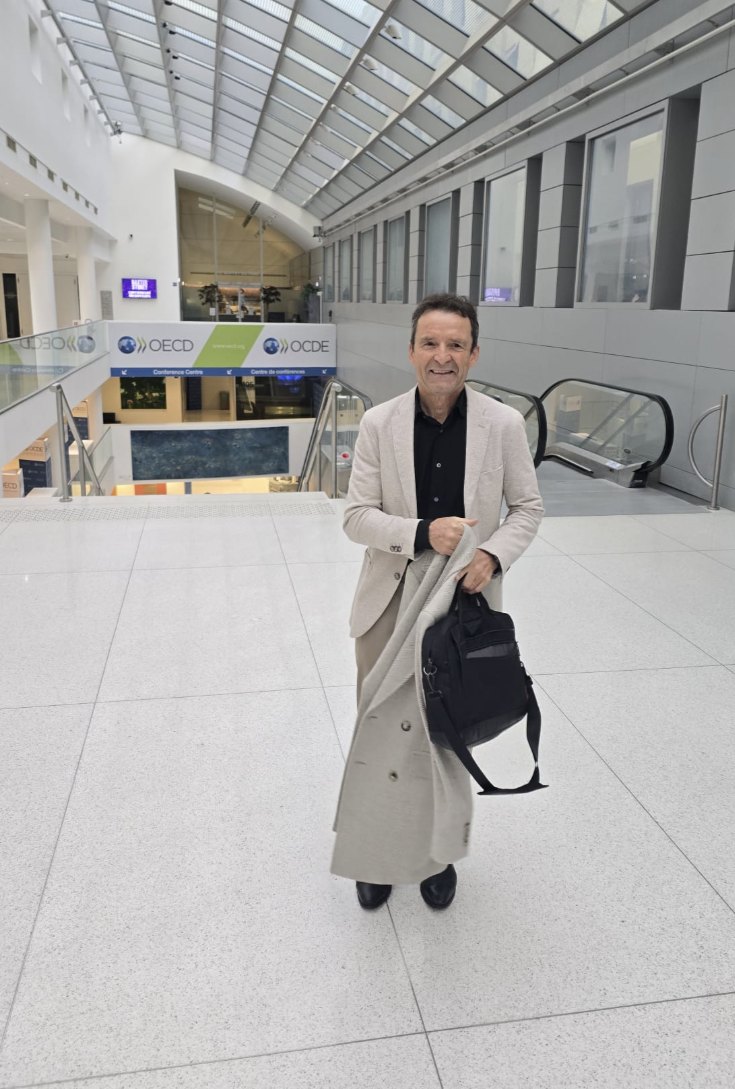
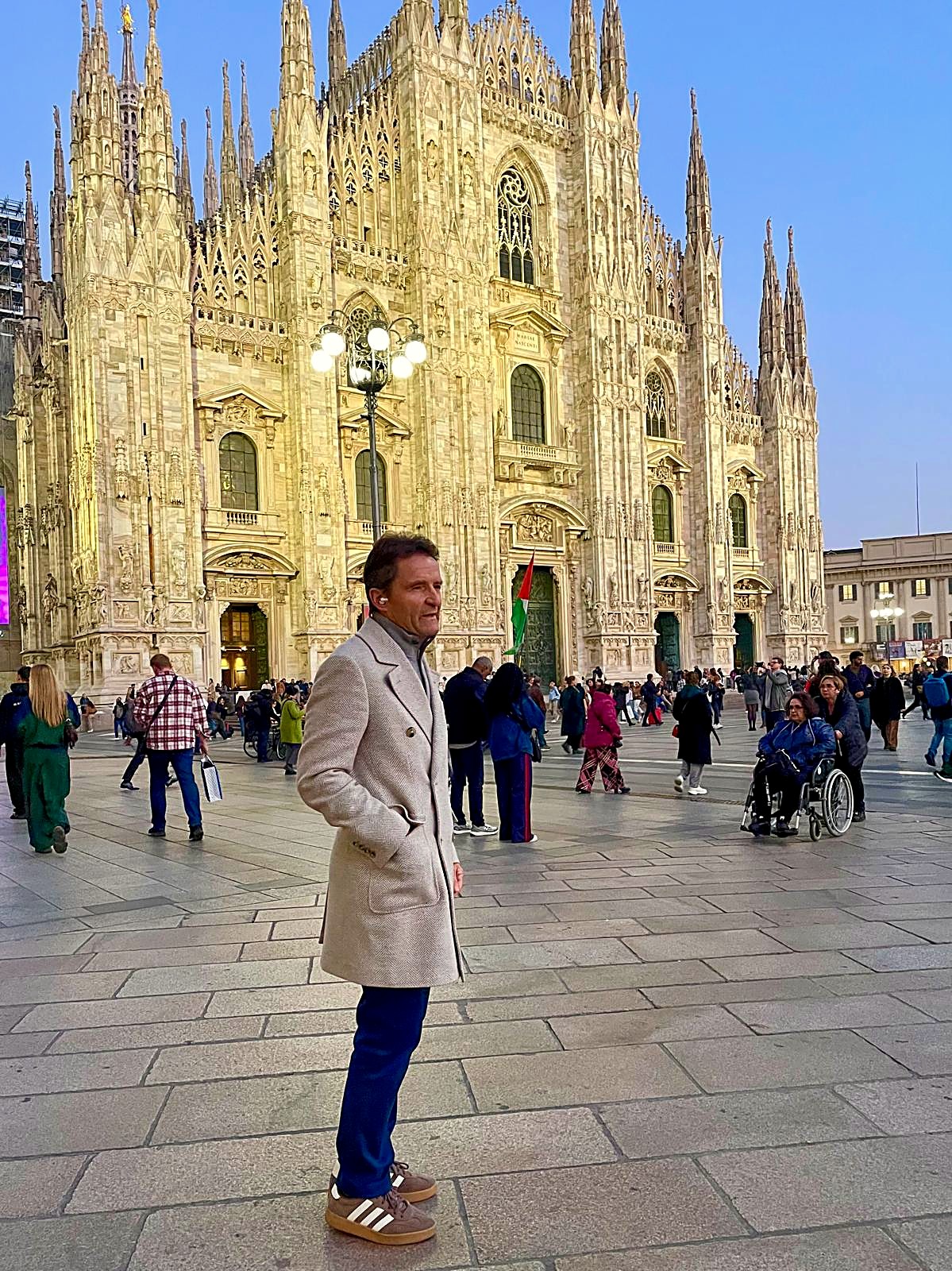
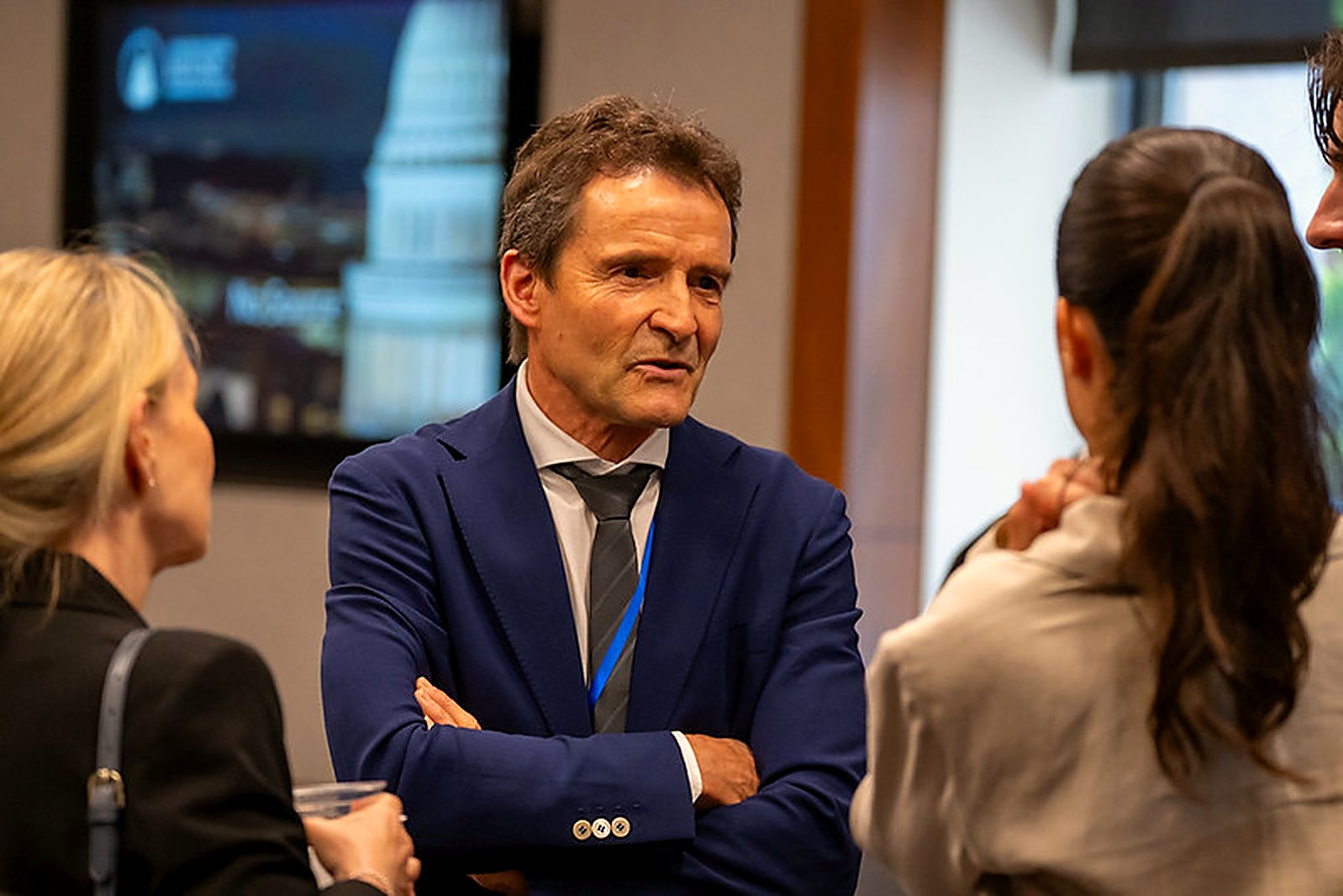
In the room · Paris
Rico Baldegger at the OECD Conference Centre.
Where sustainability and small business policy meet.
The chapter’s core idea
Four common answers, from beside the business to at the core. Tap the one that sounds most like your company.
{{sel.tag}}
“{{sel.sounds}}”
{{sel.text}}
{{sel.riskLabel}}: {{sel.risk}}
01
When sustainability sits in a separate department, it becomes a box to check. When it shapes everyday decisions, it does not get cut in a hard year.
02
In a study of 167 SMEs, a human-centered orientation went with stronger results on all three measures.
Correlation strength, 0 to 1. Bjelic et al. (2024).
03
The EU’s Corporate Sustainability Reporting Directive asks for what human-centered firms already do.
The honest part The chapter names the limits too. Transition costs come first and benefits later, and most of the evidence so far comes from tech and service firms in high-income countries.
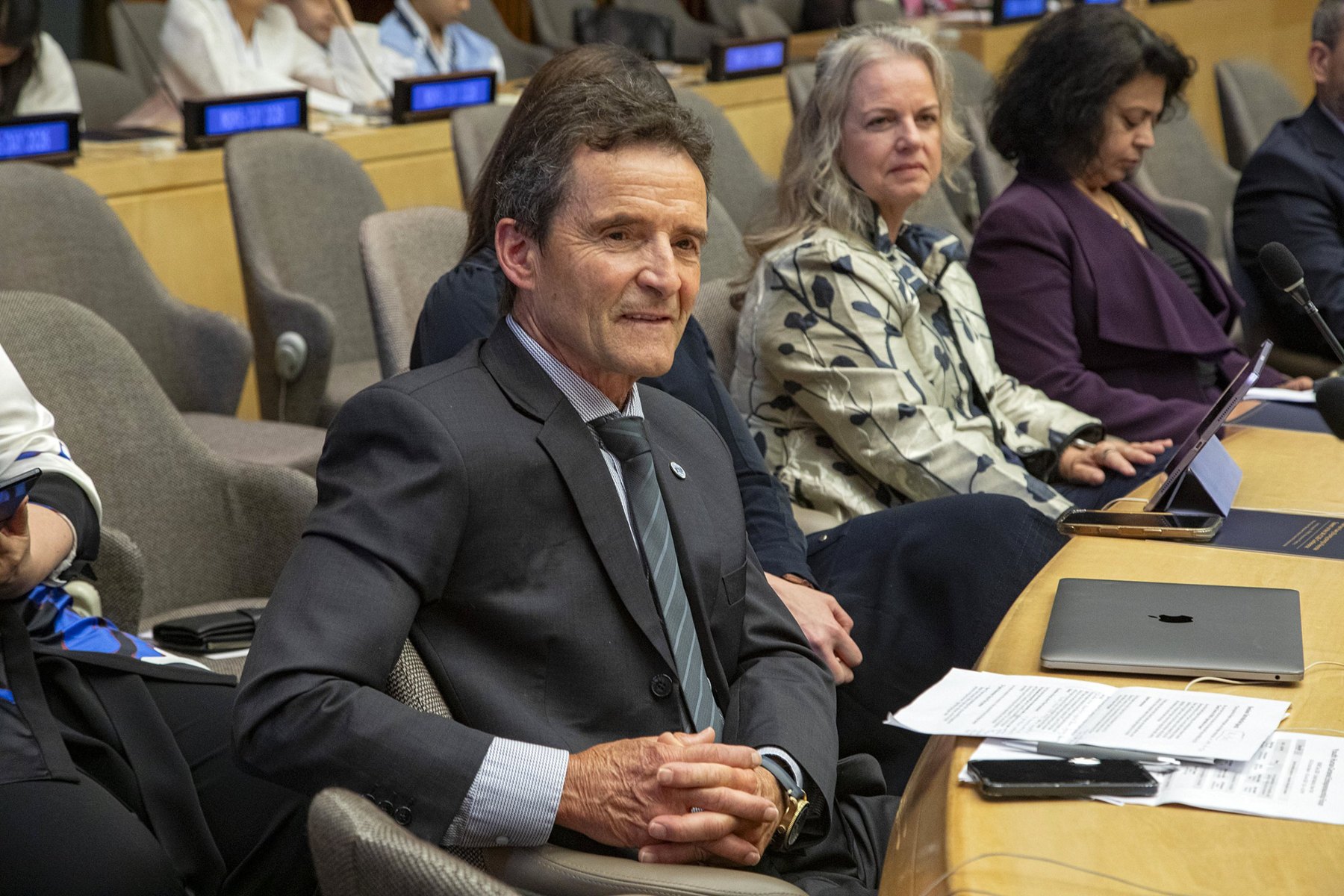
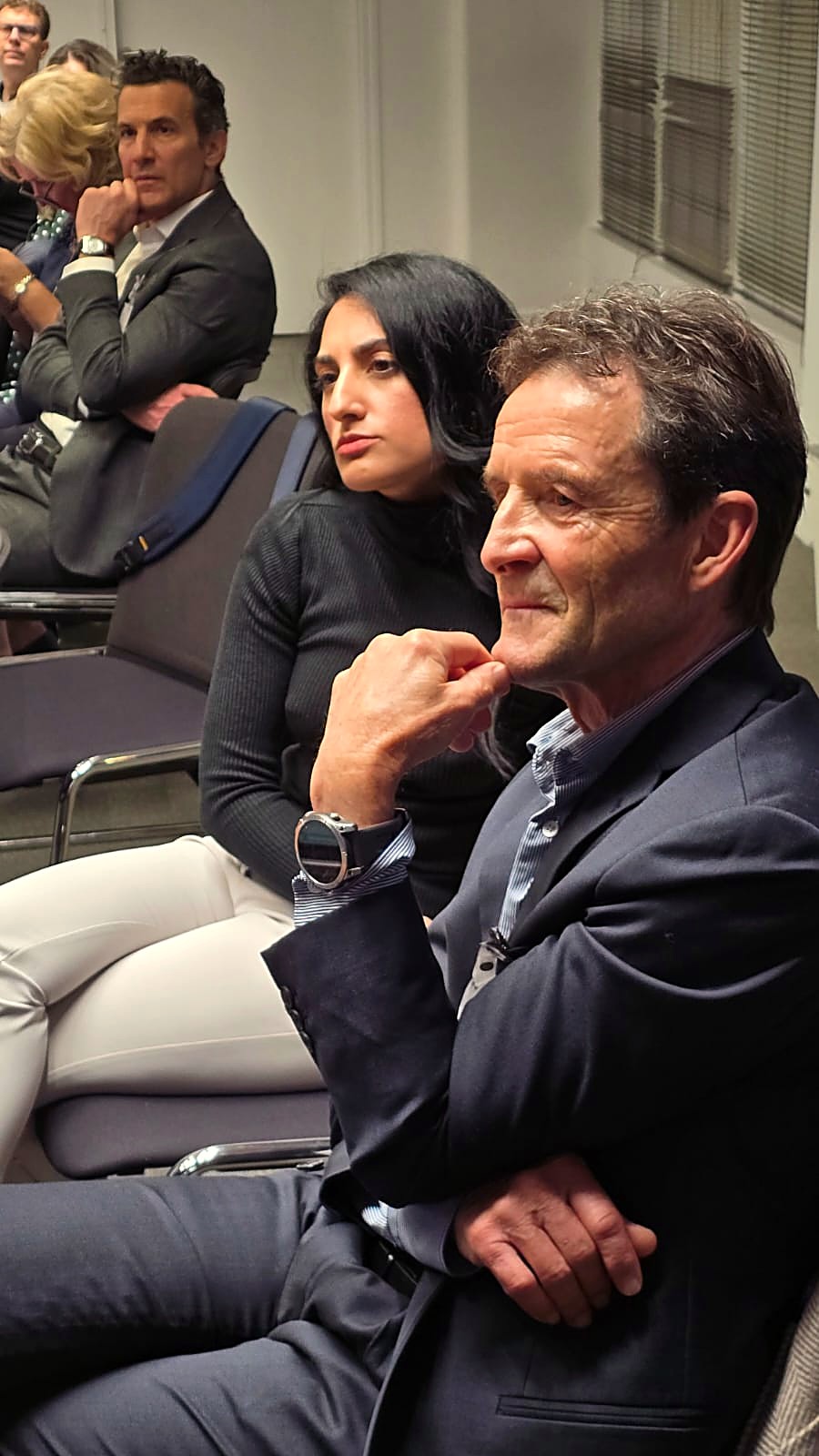
In the room · United Nations
At the United Nations for MSMEs Day 2026.
Bringing the case for sustainable small firms to the world stage.
Chapter Four
{{pg.lead}}
{{pg.bold}}
{{pg.big}}
— {{pg.sign}}
Turn the page
Baldegger, R., Schmitt, C., & Bjelic, Z. (2027). Human-centered entrepreneurship and sustainability: A systemic framework for transforming small and medium-sized enterprises. In A. ElTarabishy & K.-C. Kim (Eds.), Human-Centered Entrepreneurship (pp. 52–68). Edward Elgar Publishing.