Chapter Three
Five ideas to carry with you
{{pg.num}} / 5 · {{pg.sign}}
{{pg.lead}}
{{pg.big}}
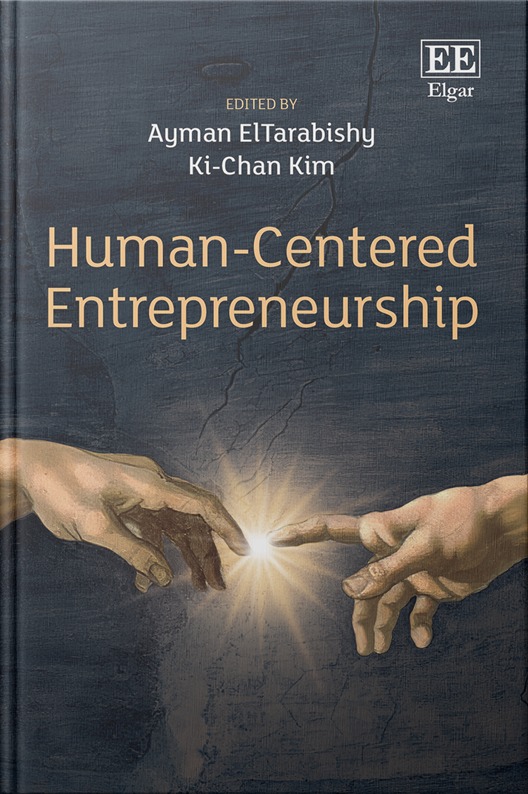
Human-Centered Entrepreneurship
ElTarabishy & Kim · Edward Elgar
Chapter 3
The 3S model for developing leaders who build people
Marshall Sashkin and Ayman ElTarabishy
What this chapter is about
No organization can be more human-centered than its leader’s character permits.
“Waste no more time arguing about what a good man should be. Be one.”MARCUS AURELIUS, MEDITATIONS · THE CHAPTER’S EPIGRAPH
Figure 3.1 · The 3S model
From the book · the opening pages
CHAPTER THREE · P. 34
Shakespeare in The Merchant of Venice names an enduring problem: it is easier to know what is good than to do it. Human-Centered Entrepreneurship (HCE) is not exempt from this challenge. The Three E’s of Empathy, Enablement, and Empowerment, integrated with the entrepreneurial dynamism of Innovation, Risk-Taking, and Proactivity, constitute a compelling framework. But a framework understood is not a framework embodied. Principles bridge the gap between values and action; they translate leadership vision into organizational culture and culture into behavior that serves human flourishing. Yet even this is incomplete. Principles require a particular kind of person to carry them. Knowing what principles demand is not the same as having the character to live by them under pressure.
When principles erode in organizations, the failure does not happen all at once. It cascades. It begins in the character of leaders, in the gradual displacement of principled judgment by short-term pressures or personal ambition. It then manifests in interpersonal behavior: actions contradict stated values, trust collapses, and those with genuine commitment disengage. Finally, it becomes embedded in organizational culture, where operative assumptions quietly shift from serving human flourishing to optimizing measurable outputs. Each level reinforces the others in a vicious cycle. Understanding where principles fail is essential. But the more important question is developmental: what kind of person resists this cascade? What must they cultivate in themselves, in their relationships, and in the cultures they build?
Keep reading in the book → · Excerpt shown with permission of Edward Elgar Publishing.
Failure analysis
Each level reinforces the others. The question is not only where principles fail. It is what kind of person resists the cascade.
The 3S model holds that all three levels matter, and must develop at the same time.
The most complex skill
Fake
Genuine
Only a leader with a pro-social power orientation can share power without experiencing it as a loss.
The 3S mirror
Each statement comes from the chapter. A reflection for leaders at any stage, not a validated assessment.
{{q.tag}}{{q.text}}
Your 3S map · {{answered}} of 9
The fuller the ring, the stronger the level.
{{verdict}}
The founder test
An organization that relies on one person’s continuous involvement is not human-centered. It is ego-centered, even when the ego belongs to someone with good intentions.
Think of a conductor. The conductor makes no sound, yet builds the framework in which every musician plays at their best. That is the System level: creating the conditions in which people generate value.
The 3S model across cultures
SELF · CHARACTER FIRST
The Confucian Great Learning begins governance with cultivating the self. Al-Ghazali warns that the leader who has not mastered the self will be mastered by power.
POWER · TRUSTEESHIP, NOT OWNERSHIP
The Islamic idea of Khalifa makes the leader a steward. The Confucian junzi leads by moral example and service.
SYSTEM · NO SINGLE STONE
The Mondragón cooperatives scaled without concentrating authority. Like Seneca’s arch, the structure stands because each part supports the others.
Chapter Three
{{pg.num}} / 5 · {{pg.sign}}
{{pg.lead}}
{{pg.big}}
Turn the page
About the authors
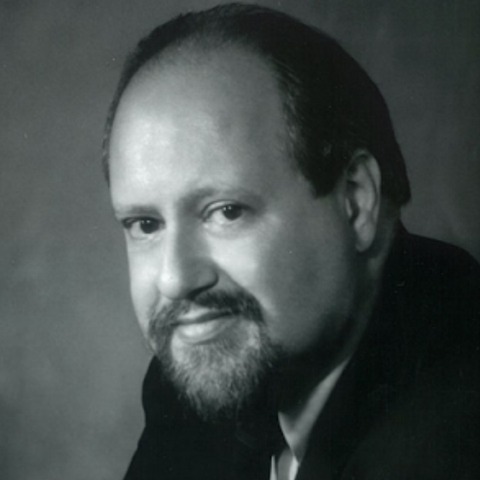
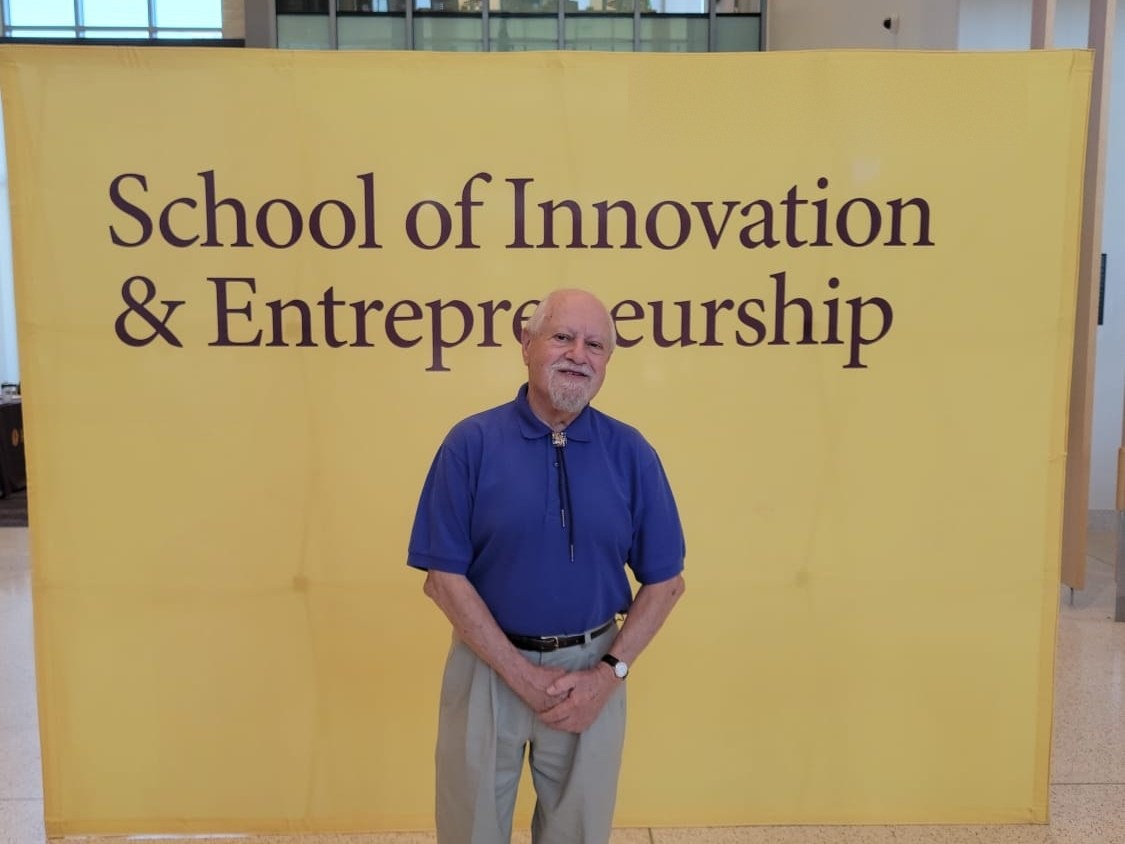
Professor Emeritus of Human Resource Development, George Washington University
An organizational psychologist (PhD, University of Michigan, 1970) and the originator of the 3S model. His research on visionary and transformational leadership and organizational culture is the model’s intellectual foundation. He has consulted for the American Red Cross, GE and the US Department of Education, and written over a dozen books, including Leadership That Matters (2003).
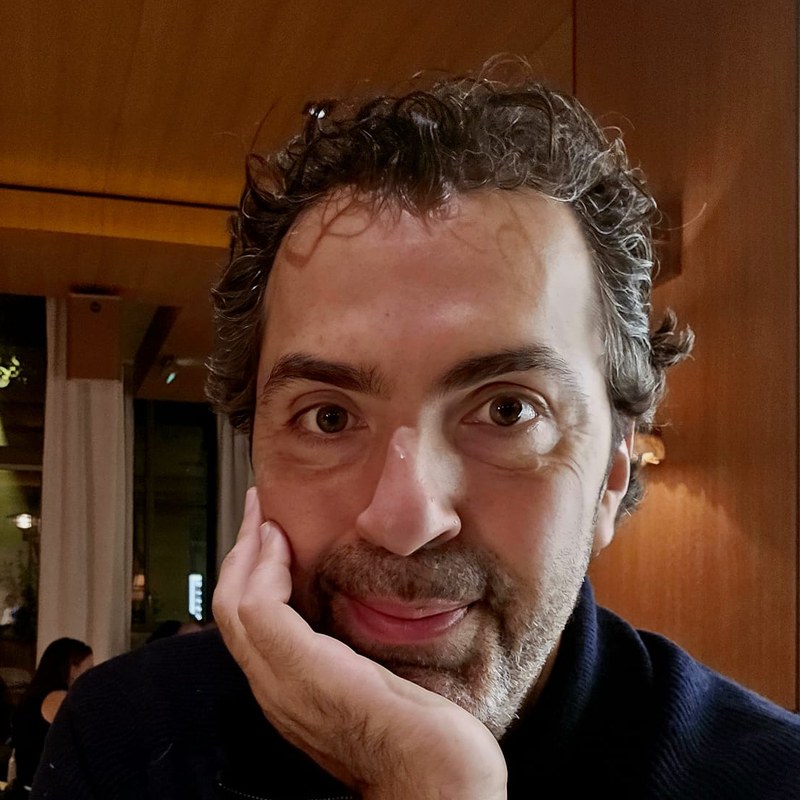
President and CEO, ICSB · Teaching Professor of Management, George Washington University School of Business
President and CEO of the International Council for Small Business and Editor-in-Chief of the Journal of Small Business Management. With Ki-Chan Kim, he co-founded the theory of human-centered entrepreneurship, and he co-edited this book.
Full author profile →Sashkin, M., & ElTarabishy, A. (2027). Human-centered leadership: The 3S model for developing leaders who build people. In A. ElTarabishy & K.-C. Kim (Eds.), Human-Centered Entrepreneurship (pp. 34–51). Edward Elgar Publishing.
Figure 3.1, the 3S model · Book DOI 10.4337/9781035350698 · Chapter DOI from Elgar at publication