1978Joined the foreign serviceKorean Ministry of Foreign Affairs
2013–16Ambassador to the UNRepublic of Korea, New York
71stPresident of ECOSOCUN Economic and Social Council
About
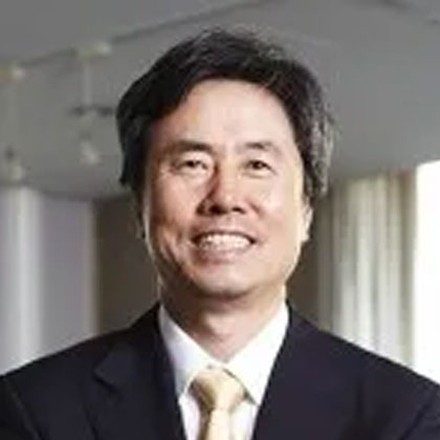
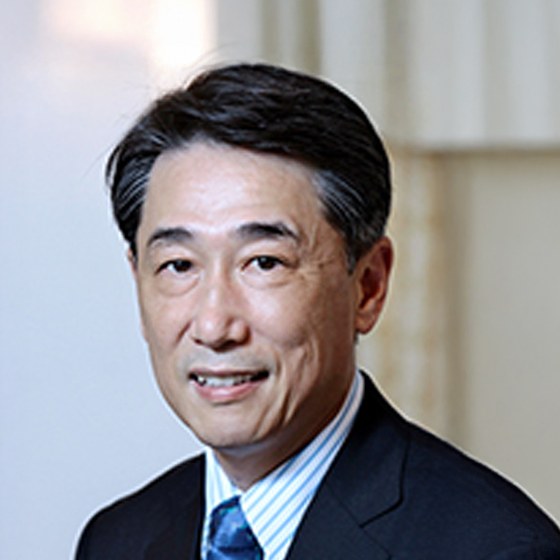
Oh Joon is Eminent Scholar Professor of United Nations Studies at Kyung Hee University in Seoul. He was Korea’s Ambassador to the United Nations from 2013 to 2016 and served as the 71st President of the UN Economic and Social Council (ECOSOC). He chairs Save the Children Korea and sits on the board of Save the Children International.
In the book
Chapter XII · p. 179 · What this chapter is about
Five centuries of preparation
Jo Shik, Jinju, and the making of Korea’s global entrepreneurs
Jo Shik died in 1572. Samsung was founded in 1938. The chain never broke.
From the chapter“Philosophical education, not just technical training, creates the conditions for entrepreneurial success.”
From the opening pages
South Korea’s economic transformation stands as one of the most remarkable stories in modern history. In 1960, the nation’s GDP per capita was lower than that of many sub-Saharan African countries. Today, South Korea ranks among the world’s most prosperous economies, home to global giants like Samsung, LG, and Hyundai, as well as dozens of other companies that have reshaped industries from electronics to shipbuilding to entertainment. Economists have offered many explanations for this “Miracle on the Han River”: strategic government policy, export-oriented industrialization, investment in education, and favorable international trade conditions. Each explanation captures part of the truth. However, something deeper remains unexplained.
Why Korea? Other nations received similar foreign aid. Other governments pursued export-led growth strategies, and different societies invested heavily in education. Yet few achieved Korea’s extraordinary combination of rapid economic growth, technological innovation, and sustained global market leadership.
In this chapter, we argue that the missing explanation lies five centuries in the past, in the teachings of a Confucian philosopher who never sought government office and who died 400 years before Samsung was founded.
Excerpt shown with permission of Edward Elgar Publishing.
Chapter XIV · p. 206 · What this chapter is about
The United Nations and the SDGs
Human-centered entrepreneurship at civilizational scale
In 2015, 193 nations agreed on 17 goals for a better world. Only 17 percent of the targets are on track. The diplomat who helped write them explains why the goals need human-centered entrepreneurs to succeed.
From the chapter“For a viable future for humanity, we must place humans at the center of our pursuits and uphold sustainability and human rights as guiding principles.”
From the opening pages
In 2015, the international community did something remarkable: it brought 193 nations together around a shared commitment to human flourishing, encapsulated in 17 Sustainable Development Goals (United Nations, 2015). I was in the room. I served as the 71st President of the United Nations Economic and Social Council when the 2030 Agenda was adopted. I introduced the ECOSOC report to the General Assembly one month later. What I describe in this chapter – the ambition, the shortfall, and the structural reasons why only 17 percent of SDG targets are currently on track – is the institutional context into which Human-Centered Entrepreneurship (HCE) must be placed. The SDGs are the world’s most ambitious attempt to operationalize the Human Era. This chapter answers why that attempt requires HCE to succeed.
Over the past decade, one of the most frequently used words in the international community has likely been “sustainable.” It is commonly used in contexts such as “sustainable development” and “sustainable future.” The 1987 UN report Our Common Future1 (Brundtland Commission, 1987) introduced the concept of sustainable development, defining it as “development that meets the needs of the present without compromising the ability of future generations to meet their own needs.” While sustainable development has become a familiar term, a closer look reveals a rather alarming implication. If things are unsustainable, it doesn’t simply mean we have to continue as we are; it signals humanity’s potential collapse.
Excerpt shown with permission of Edward Elgar Publishing.
In the world
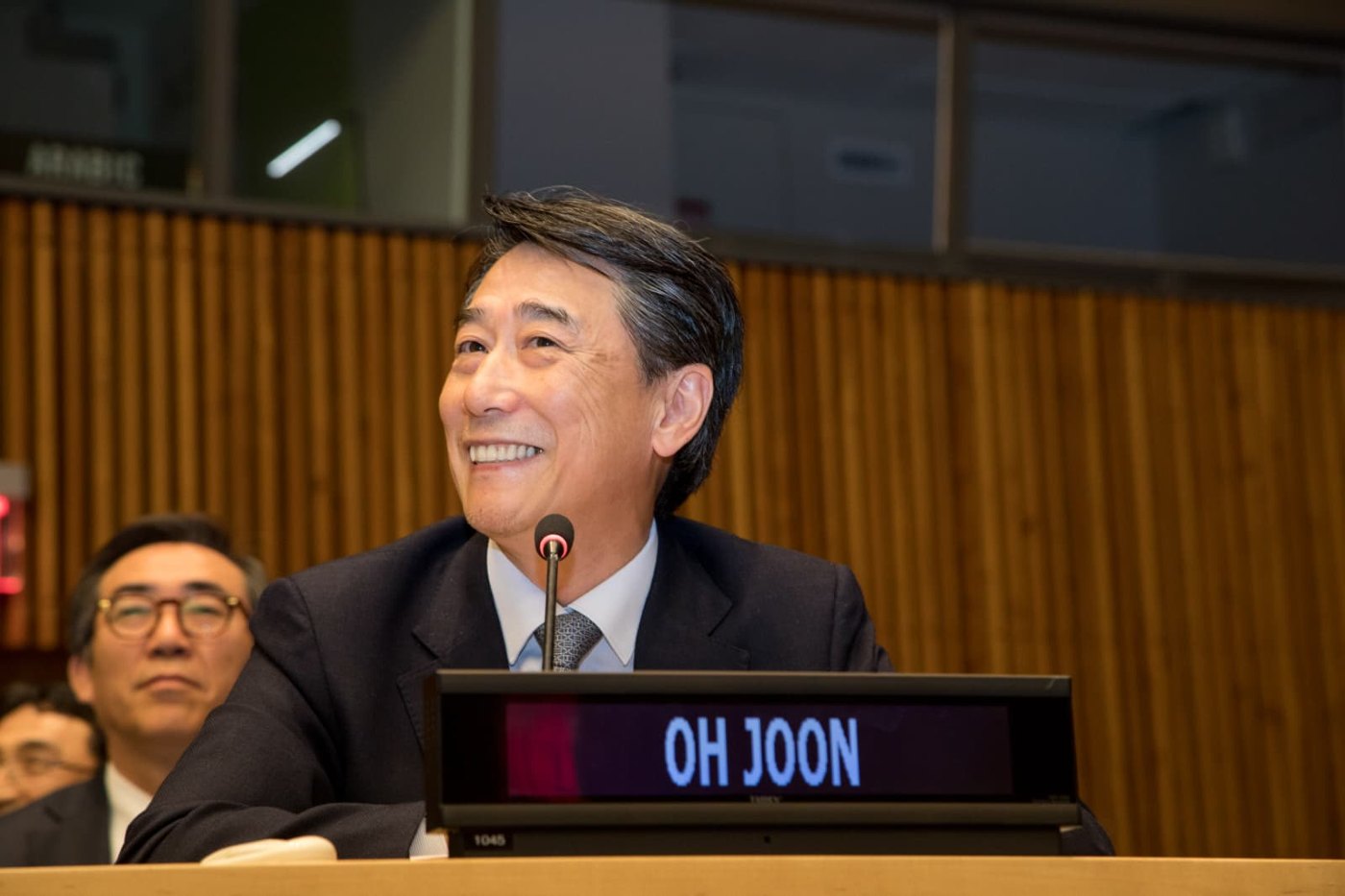
Behind his nameplate at the UN
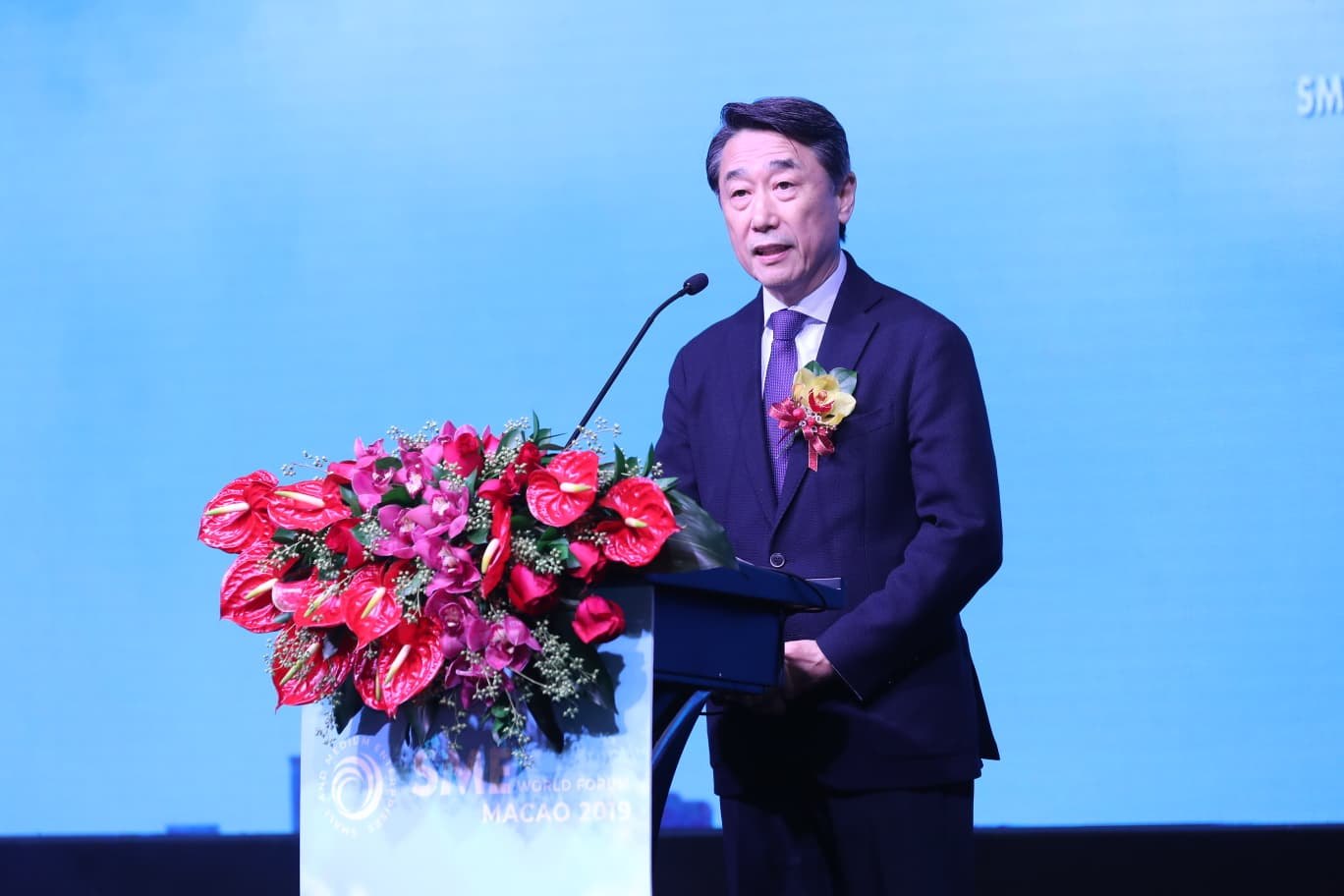
At the SME World Forum in Macao
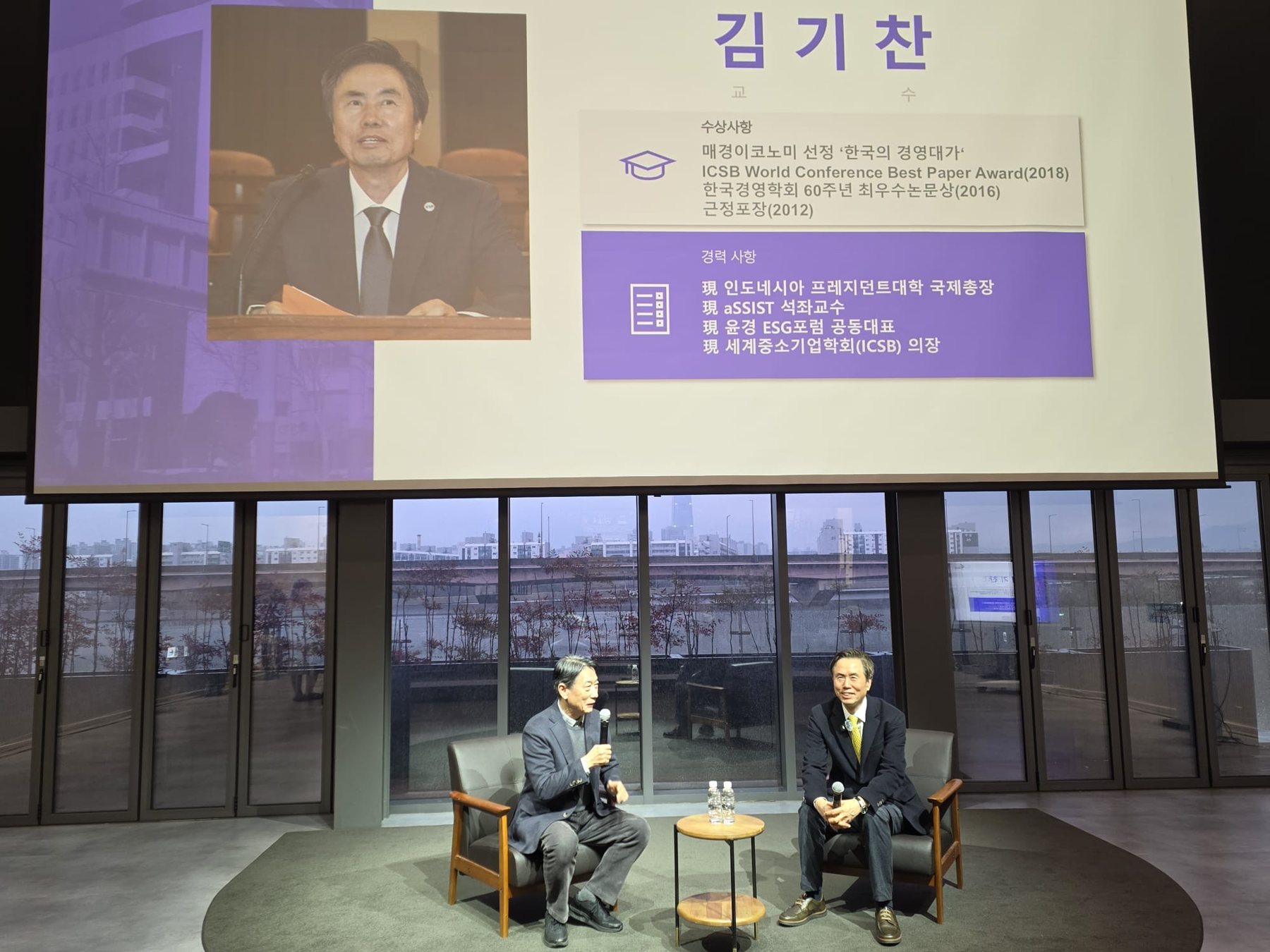
In conversation with Ki-Chan Kim
Selected work
2027“Five centuries of preparation”, Human-Centered Entrepreneurship, Edward Elgar
2027“The United Nations and the SDGs”, Human-Centered Entrepreneurship, Edward Elgar
2015For Mica, Who Contemplates Life, his first book, published in Korean
Connect
Last updated · November 2026
 Contributor · Chapters XII · XIV