01
If you work on policy or development.
You’ll hear why the SDGs are off track, from someone who helped negotiate them.
“Leaving no one behind.”
01
If you work on policy or development.
You’ll hear why the SDGs are off track, from someone who helped negotiate them.
02
If you run or back small businesses.
You’ll see why MSMEs carry so much of the 2030 Agenda.
03
If you want the big picture of HCE.
You’ll see how the Three E’s map onto all 17 goals.
From the book · the opening pages
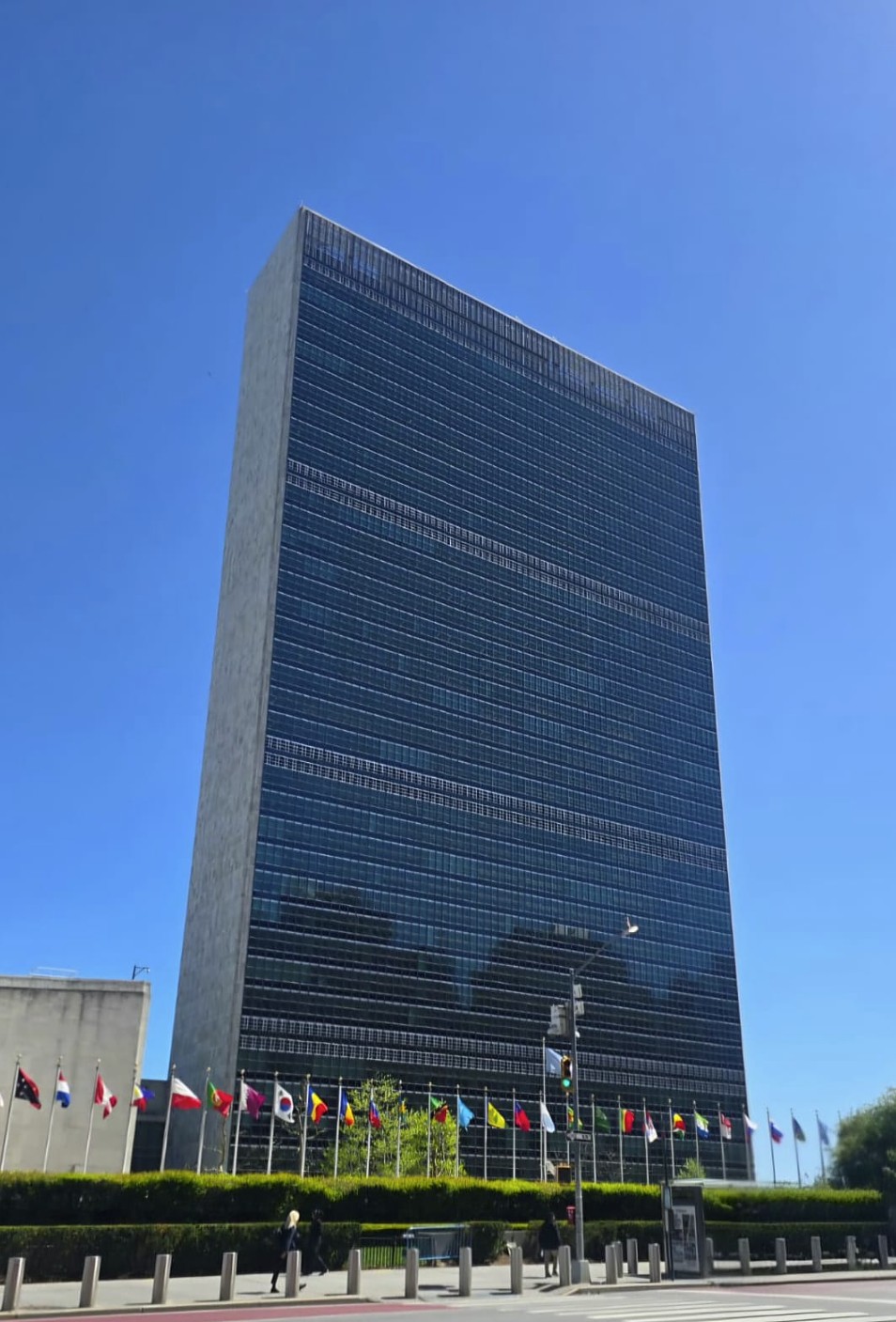
In 2015, the international community did something remarkable: it brought 193 nations together around a shared commitment to human flourishing, encapsulated in 17 Sustainable Development Goals (United Nations, 2015). I was in the room. I served as the 71st President of the United Nations Economic and Social Council when the 2030 Agenda was adopted. I introduced the ECOSOC report to the General Assembly one month later. What I describe in this chapter – the ambition, the shortfall, and the structural reasons why only 17 percent of SDG targets are currently on track – is the institutional context into which Human-Centered Entrepreneurship (HCE) must be placed. The SDGs are the world’s most ambitious attempt to operationalize the Human Era. This chapter answers why that attempt requires HCE to succeed.
Over the past decade, one of the most frequently used words in the international community has likely been “sustainable.” It is commonly used in contexts such as “sustainable development” and “sustainable future.” The 1987 UN report Our Common Future1 (Brundtland Commission, 1987) introduced the concept of sustainable development, defining it as “development that meets the needs of the present without compromising the ability of future generations to meet their own needs.” While sustainable development has become a familiar term, a closer look reveals a rather alarming implication. If things are unsustainable, it doesn’t simply mean we have to continue as we are; it signals humanity’s potential collapse.
The shortfall
17 percent on track; nearly half minimal or moderate; more than a third stalled or regressing (United Nations, 2024). Middle and right widths are approximate.
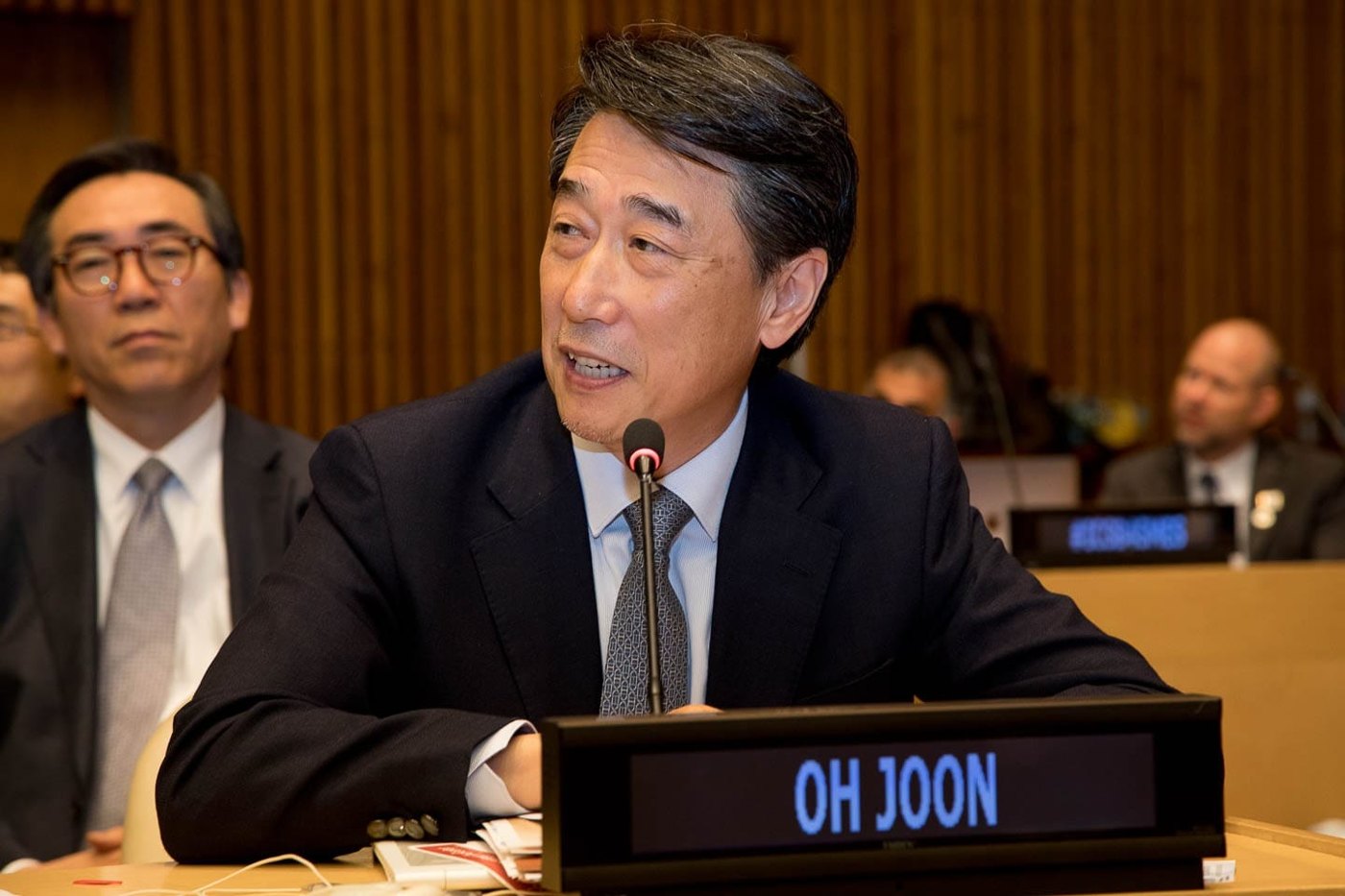
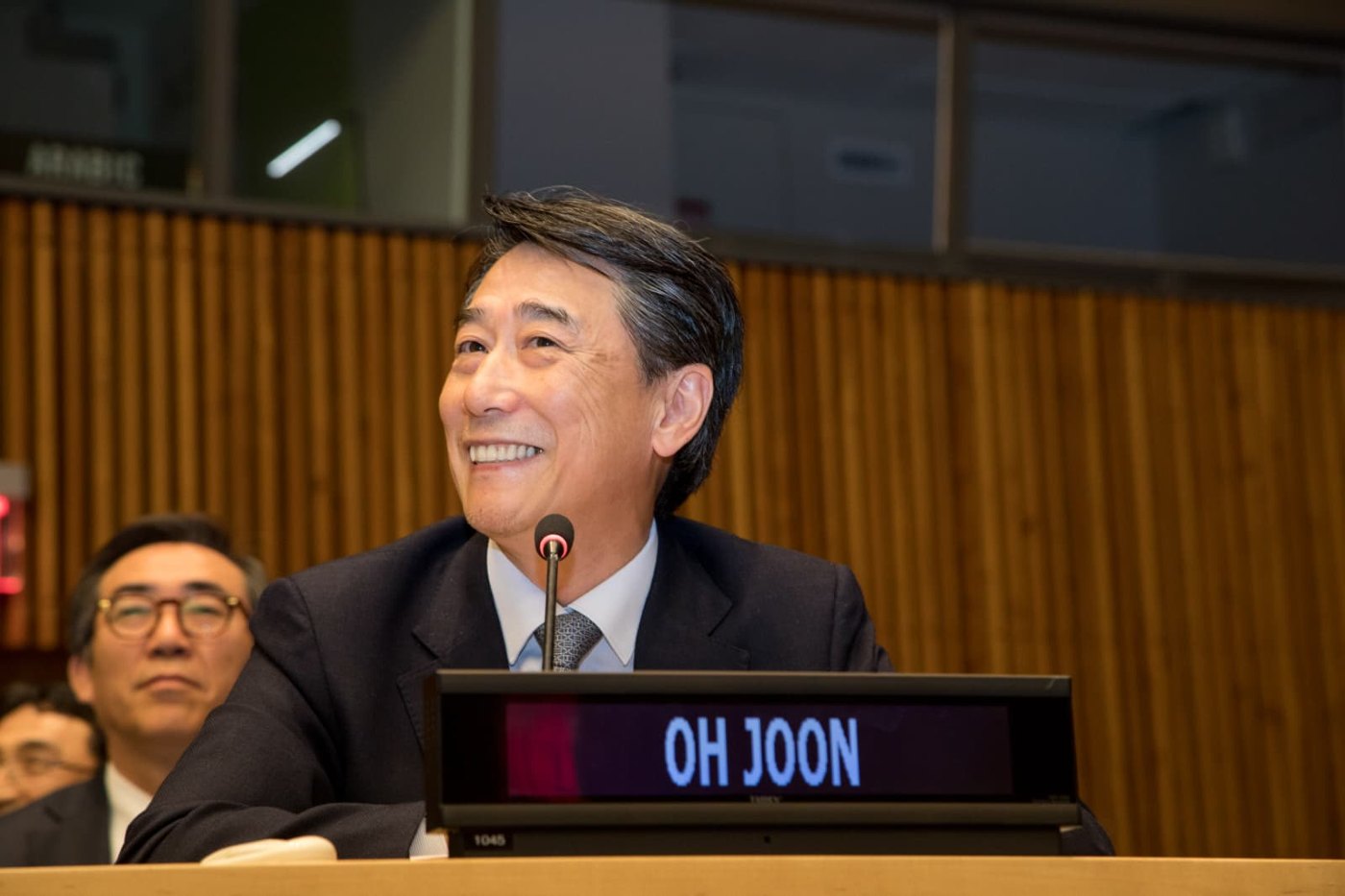
Oh Joon took part in the negotiations from 2013 to 2015. He sees two reasons for the shortfall.
Reason 1
The goals were overly ambitious from the outset. SDG 1 reads: “End poverty in all its forms everywhere.”
Reason 2
Budgets moved elsewhere. Only about 40 of 193 member states can fund development, and the pandemic and wars pulled their money away.
Table 14.1, made interactive
The chapter argues that, read carefully, the SDGs describe what HCE has always required. Choose an E, or tap any goal on the ring, to light up its group.
{{sel.name}}
{{sel.what}}
Tap a grey goal or “Not mapped” to see the three goals Table 14.1 leaves out.
Where the work gets done
90%
of businesses worldwide are MSMEs
60–70%
of employment
50%
of GDP
World Bank (2023), as cited in the chapter.
June 27
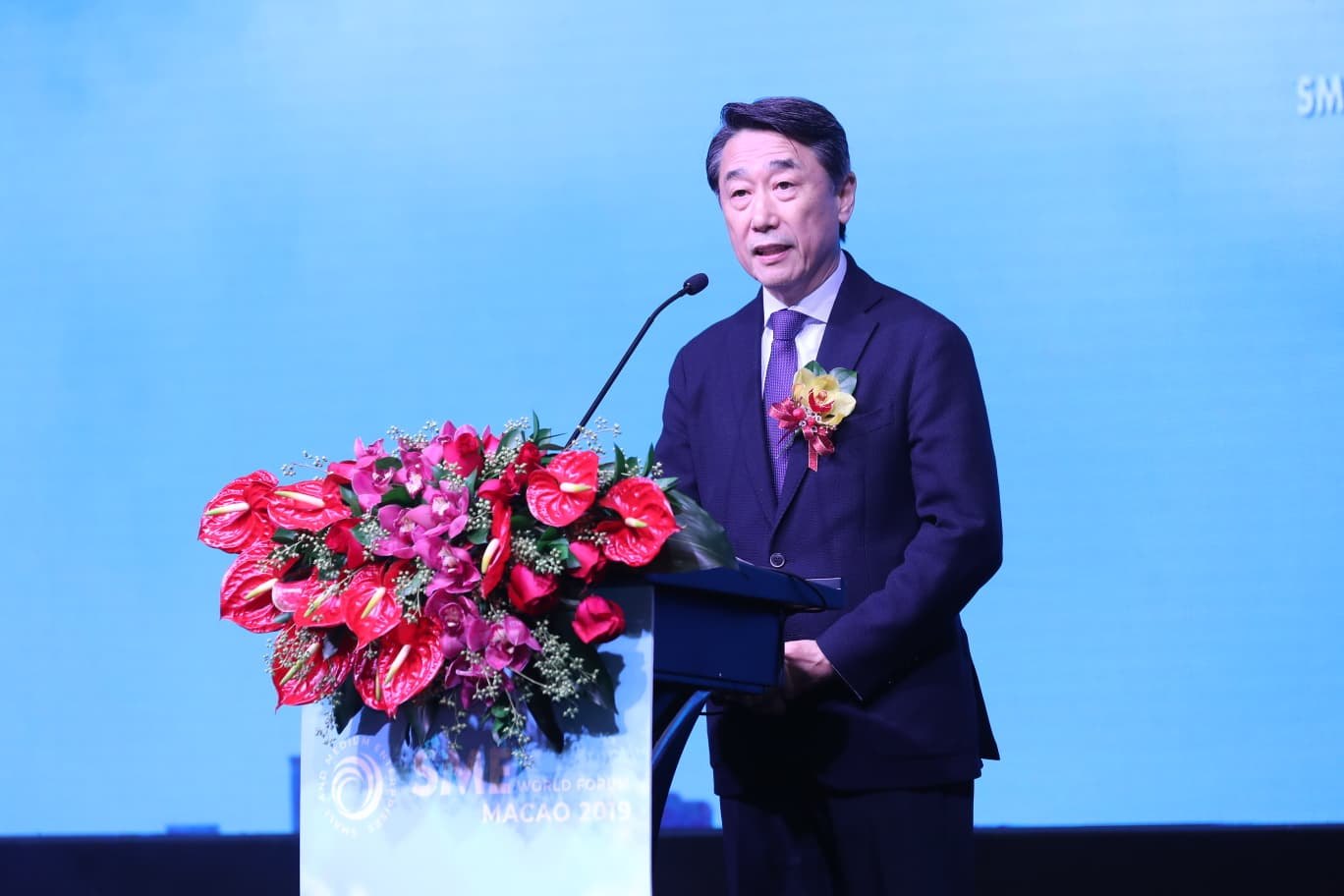
The UN General Assembly named June 27 as MSMEs Day in 2017. The chapter calls it a significant step in strengthening small firms’ role in sustainable development.
A message for MSMEs Day
Ban Ki-moon on the day small firms got their own place at the UN.
Ban Ki-moon, eighth Secretary-General of the United Nations, in a video message for MSMEs Day. About two minutes.
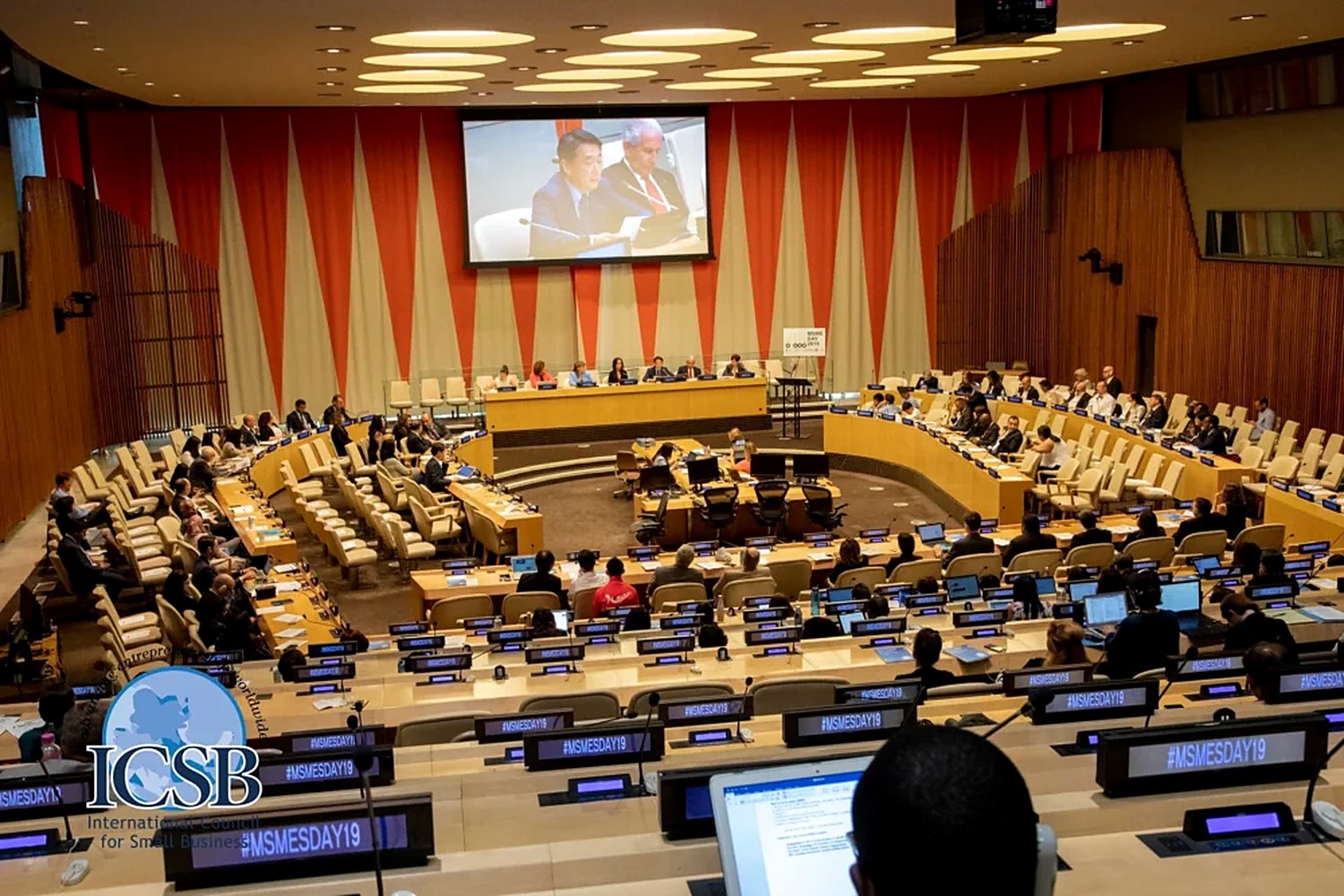
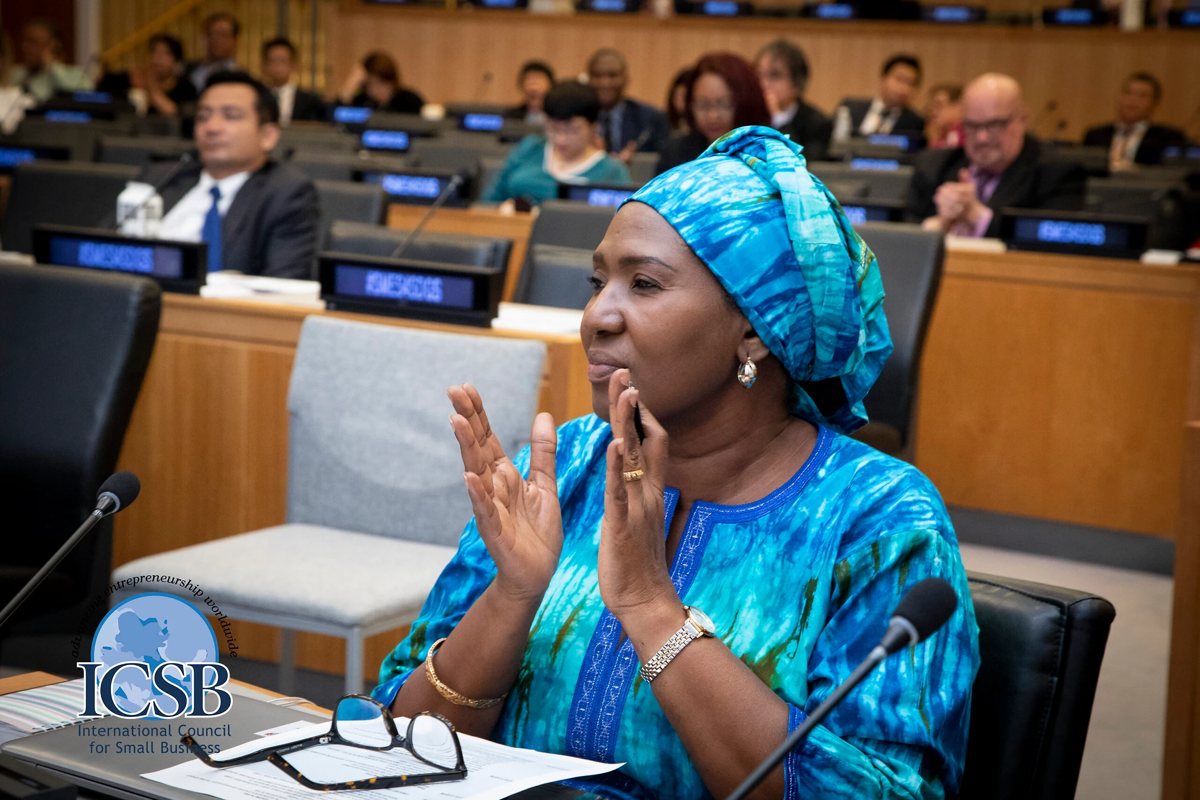
One room, many nations. Small firms on the agenda.
The full room at MSMEs Day 2019, UN Headquarters, New York. Photo: ICSB
At the United Nations
How the day began
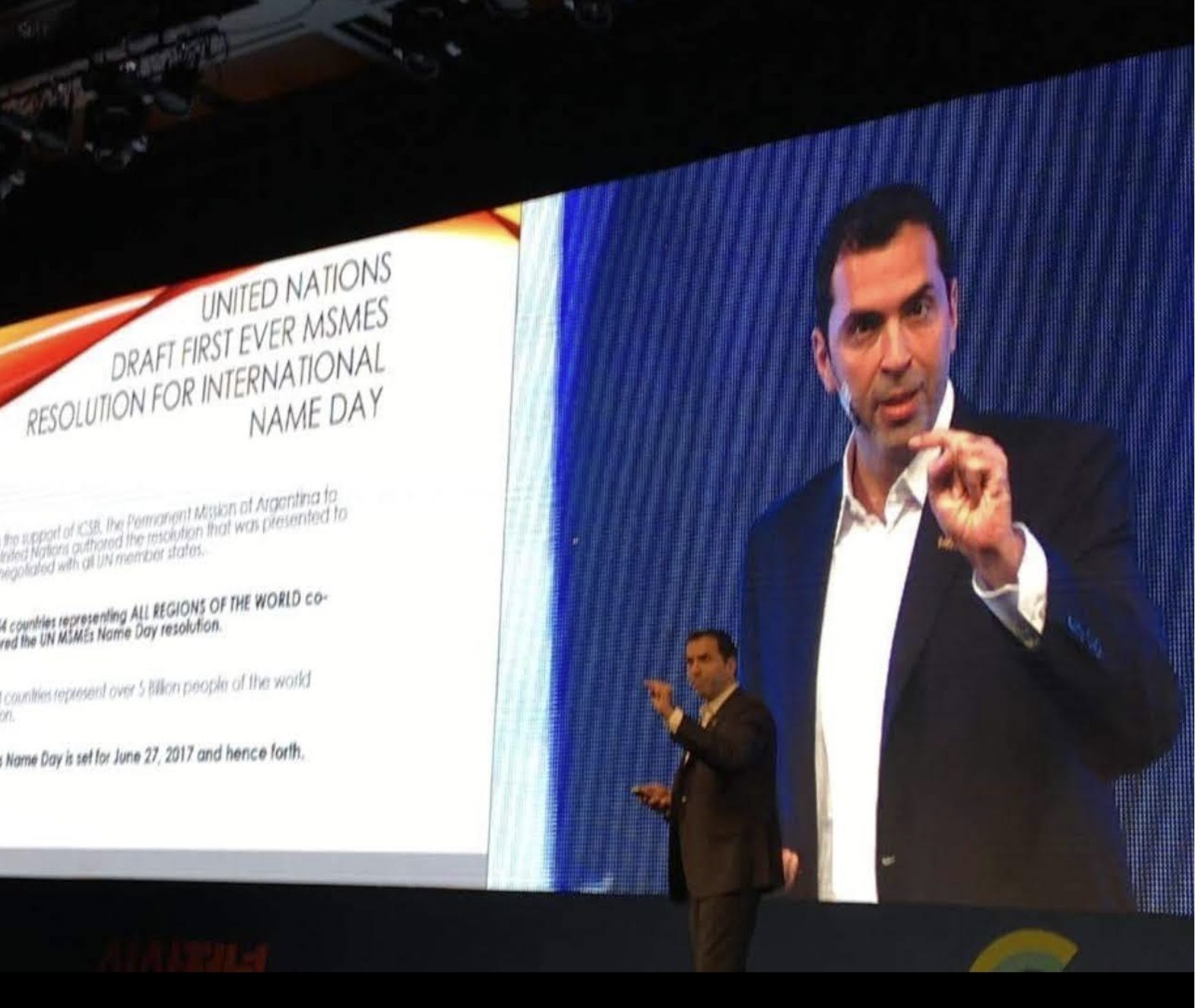
54 countries from every region co-sponsored the first UN resolution for MSMEs Day.
Ayman ElTarabishy, founder of MSMEs Day, presents the resolution at the Jinju Forum. The idea was his. The Permanent Mission of Argentina drafted the resolution with ICSB’s support, and the day was set for June 27, 2017.
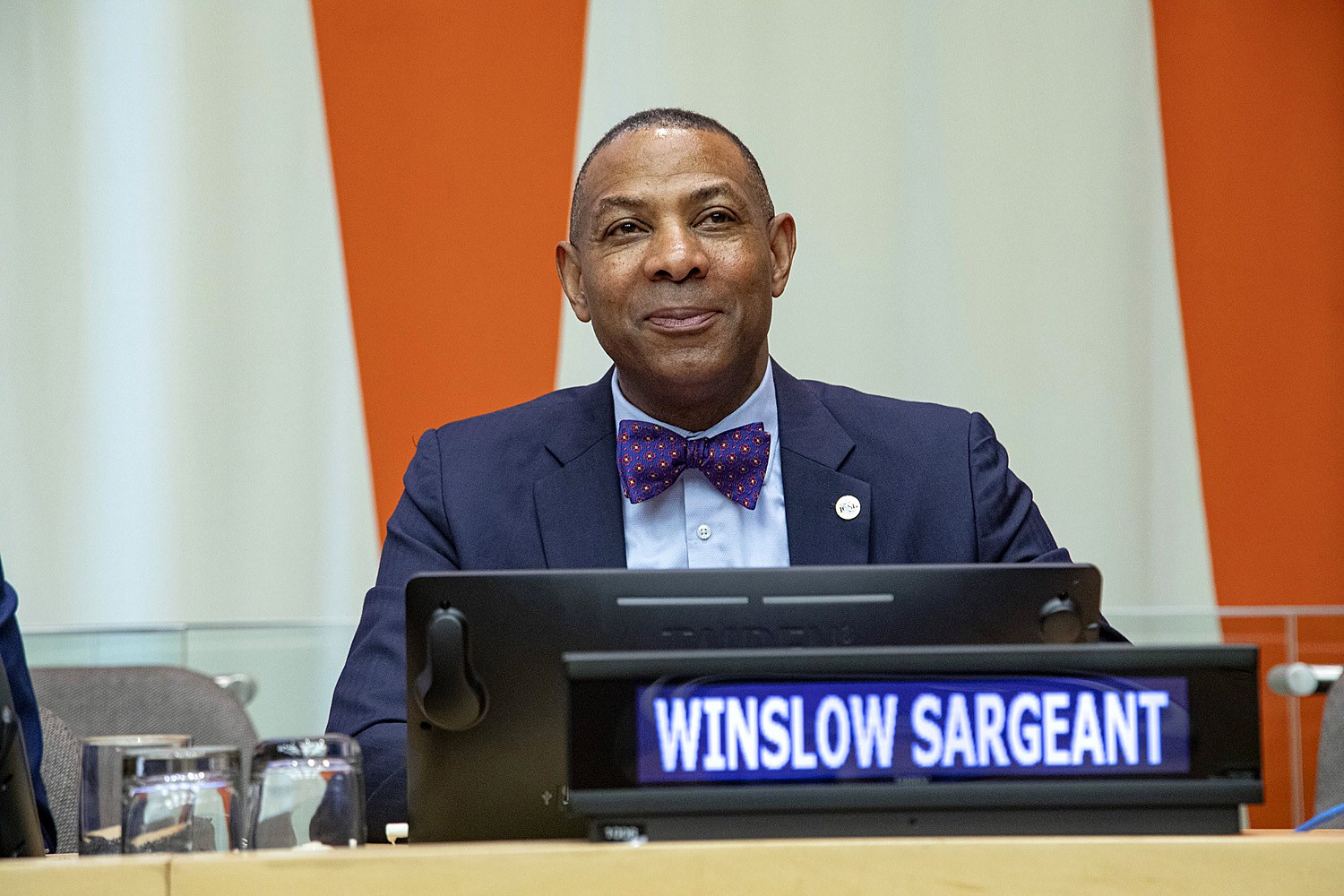
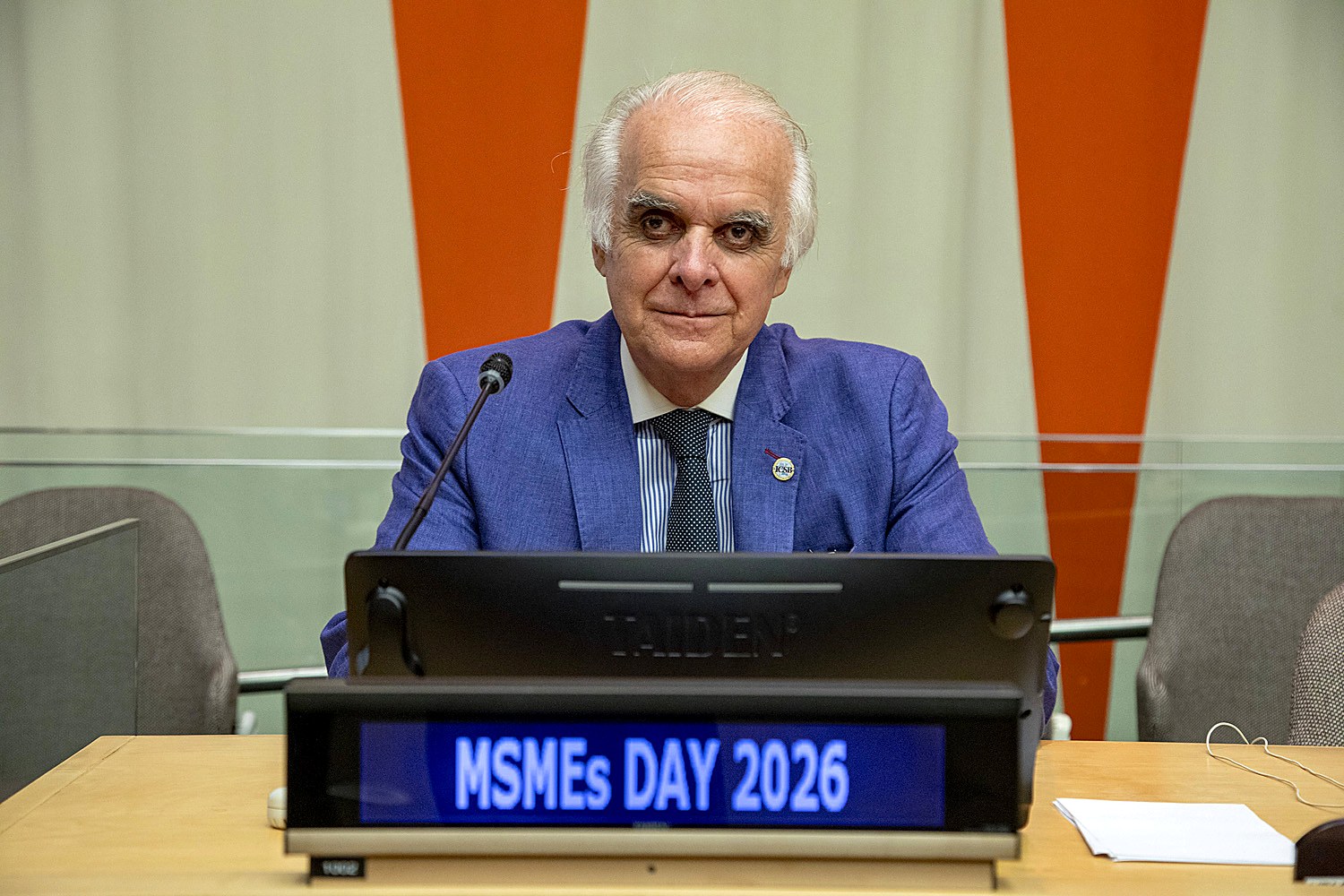
Photos: ICSB
Chapter Fourteen
{{pg.lead}}
{{pg.bold}}
{{pg.big}}
— {{pg.sign}}
Turn the page
Korea’s contribution
Helen Clark, then head of the UN Development Programme, named three elements of Korea’s development success.
1
A dedicated workforce
2
A priority on education
3
Robust infrastructure
The chapter traces part of Korea’s entrepreneurial spirit to Jo Shik, the sixteenth-century scholar of Jinju. Read his story in Chapter 12 →
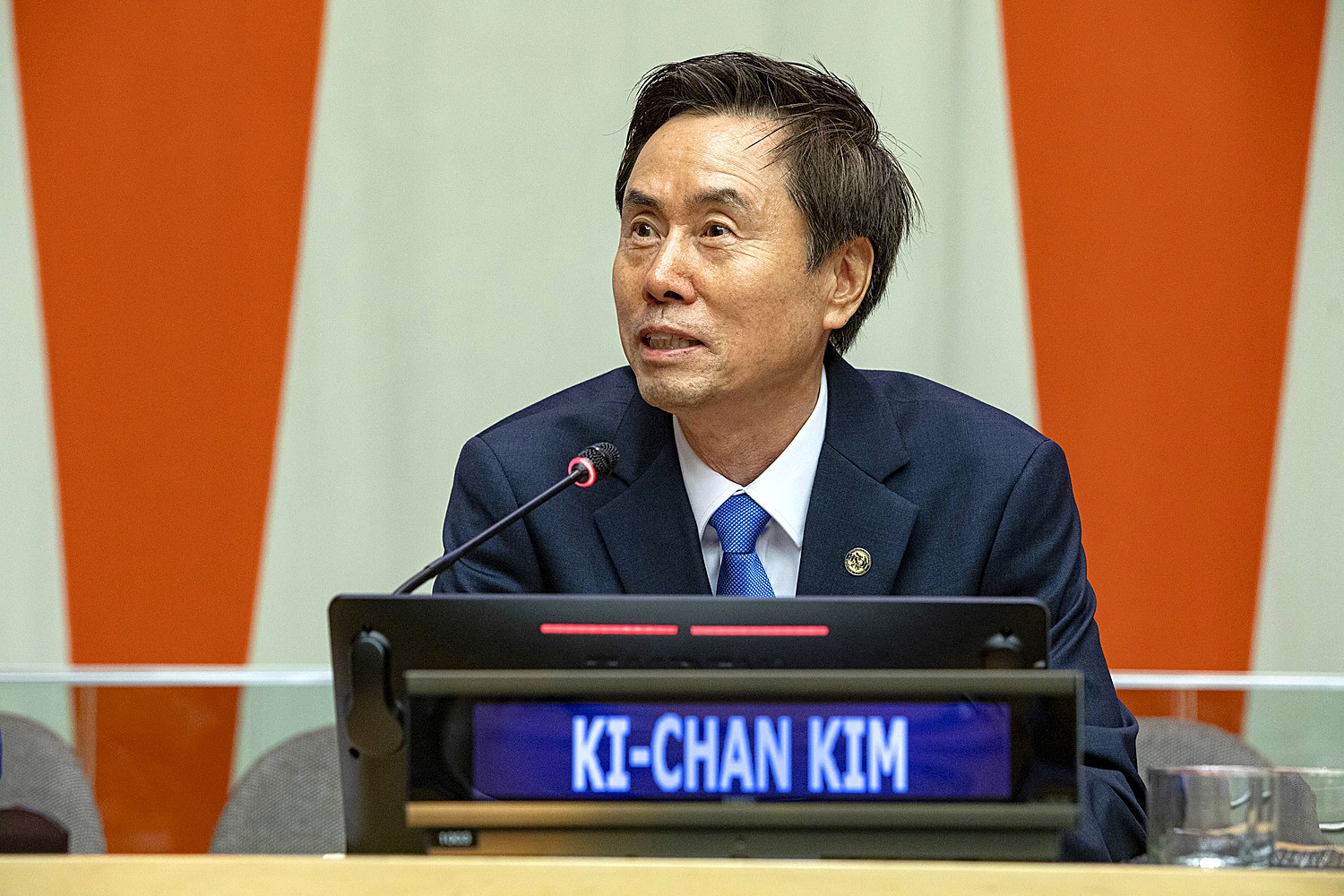
In conversation
From the UN floor to the stage at home.
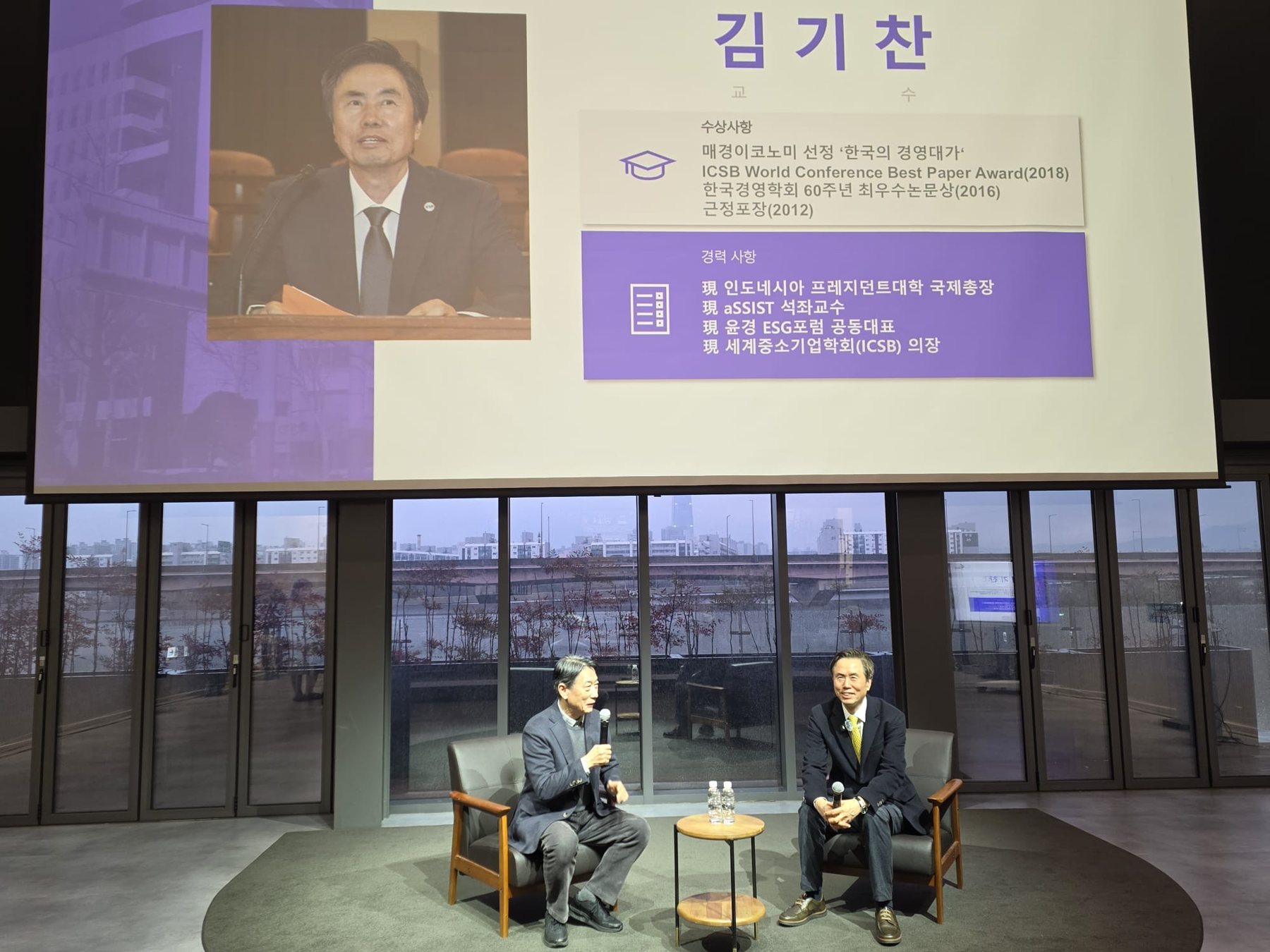
Ki-Chan Kim in conversation with Ambassador Oh Joon on human-centered entrepreneurship at a Corner Forum in Seoul.
About the author
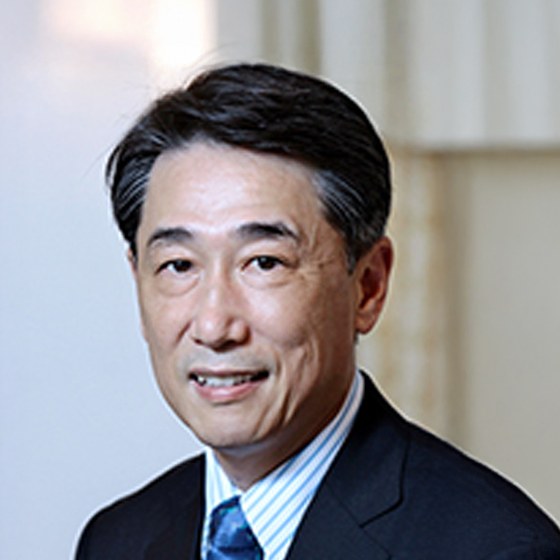
Eminent Scholar Professor of United Nations Studies, Kyung Hee University, Seoul · Chair, Save the Children Korea
Oh Joon served as Korea’s Ambassador to the United Nations from 2013 to 2016 and as the 71st President of the UN Economic and Social Council (ECOSOC), the year the 2030 Agenda was adopted. He was earlier Korea’s Ambassador to Singapore (2010–2013). He chairs Save the Children Korea, sits on the board of Save the Children International, and holds an MA in International Policy Studies from Stanford University.
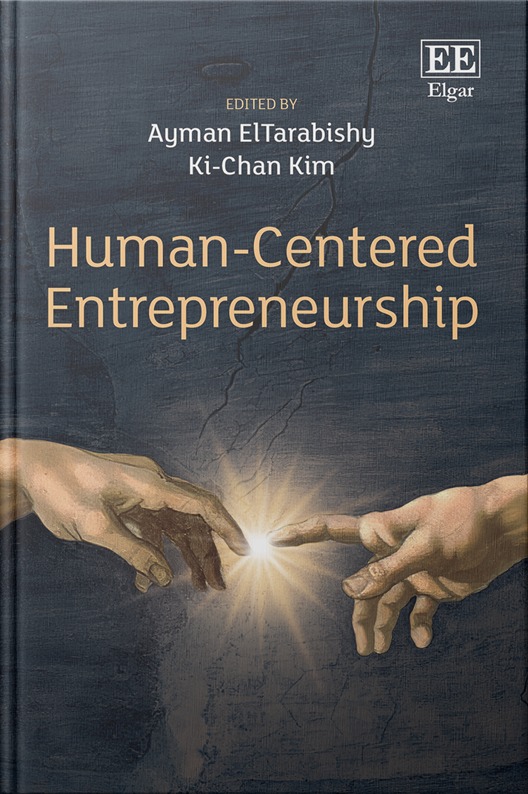
Oh, J. (2027). The United Nations and the SDGs: Human-centered entrepreneurship at civilizational scale. In A. ElTarabishy & K.-C. Kim (Eds.), Human-Centered Entrepreneurship (pp. 206–214). Edward Elgar Publishing.