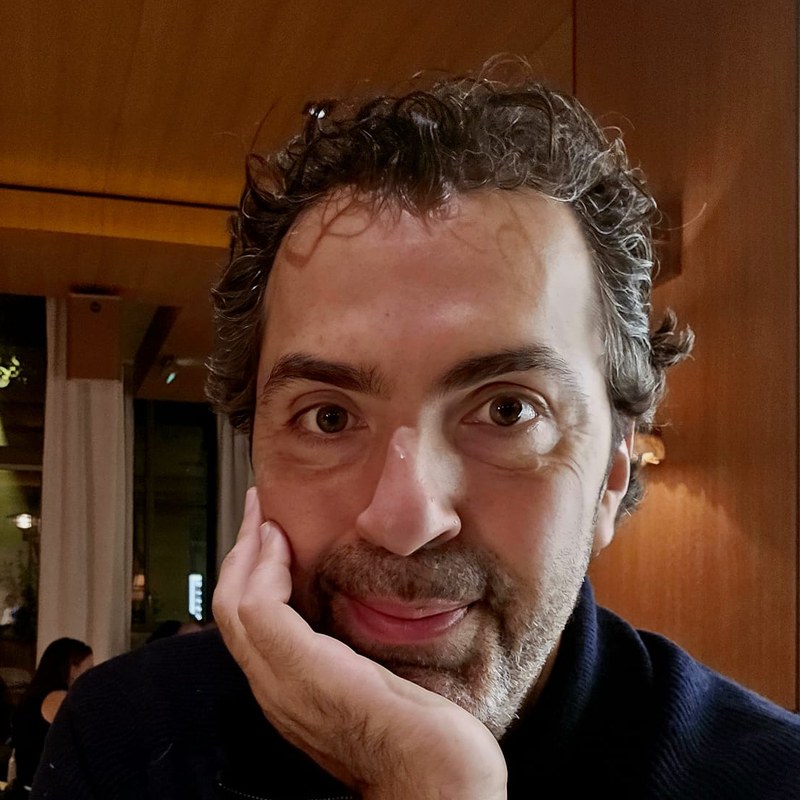
Ricky Celenta is a Postdoctoral Researcher in Social Entrepreneurship in the Department of Management, Society and Communication at Copenhagen Business School. The research focuses on how social enterprises scale and on corporate entrepreneurship as a driver of sustainable innovation. Ricky Celenta is also Project Manager of the seizmic Doctoral Network, an MSCA-funded program.
Chapter I · p. 1 · What this chapter is about
Human-centered entrepreneurship
From ancient wisdom to modern practice
The organizations that put people at the center did not just perform better. They endured.
From the chapter“It does not see humans merely as workers, users, or consumers, but as human beings capable of development.”
From the opening pages
Only 33 percent of adults, based on the median across countries surveyed globally by Gallup, are thriving. In this context, thriving means believing that life is going well today and that the future will be even better. By this measure, barely one-third of adults reach that threshold. Work tells a similar story. Gallup’s earlier research found that only 27 percent of adults held what researchers define as a real job: stable employment of at least 30 hours per week with an employer. Even among those working, only 21 percent report being genuinely engaged in their work.
These statistics represent lived realities. A 54-year-old factory supervisor in Ohio who has worked for 30 years and cannot name a single thing about his job that matters to him. A 28-year-old graduate in Cairo with a degree she cannot use, applying for the hundredth position and never hearing back. A 19-year-old in Jakarta juggling three temporary jobs just to make ends meet, without steady employment, a sense of belonging, or a clear path toward a secure future. A 67-year-old entrepreneur in Buenos Aires who built something real and now watches her grandchildren refuse to join because they cannot see a future for themselves in it. These are not statistical abstractions. They are the human reality behind the numbers, and the reason this book exists.
Behind the statistics lies something deeper: the quiet erosion of hope. By any honest measure, these people are not thriving. Let us call it what it is. Economic growth has expanded. Human flourishing has not.
Excerpt shown with permission of Edward Elgar Publishing.
 Contributor · Chapter I